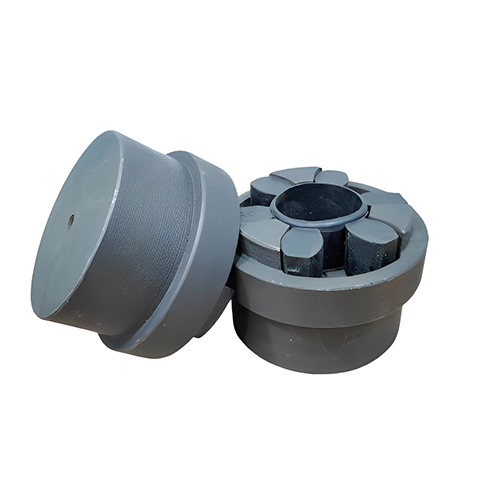
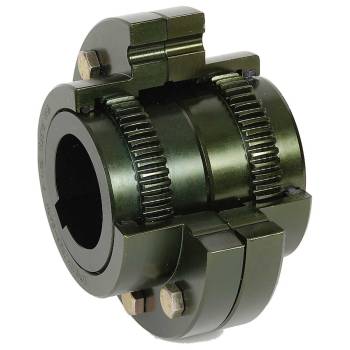
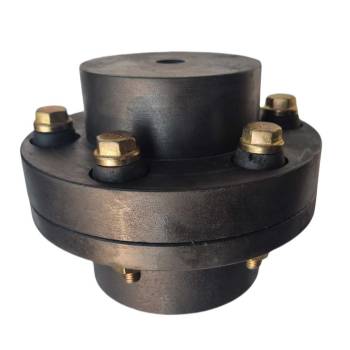
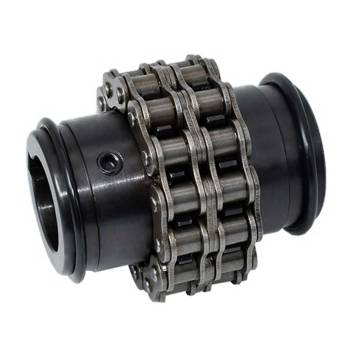
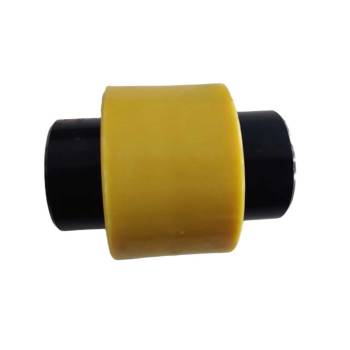
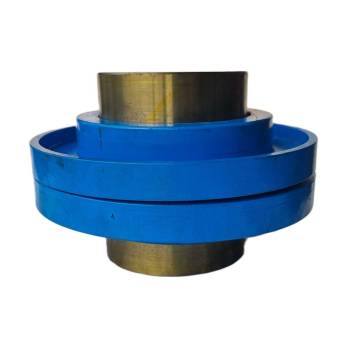
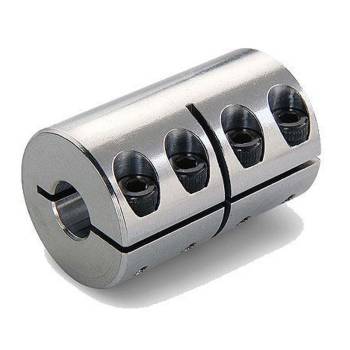
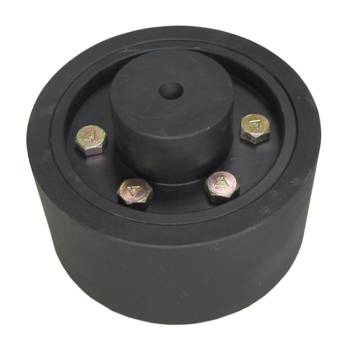
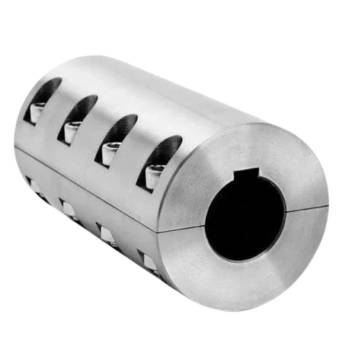
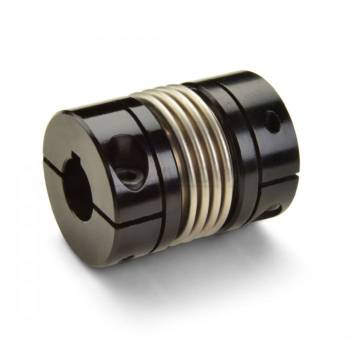
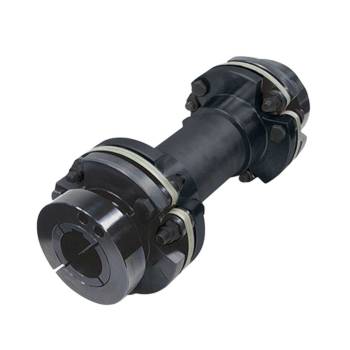
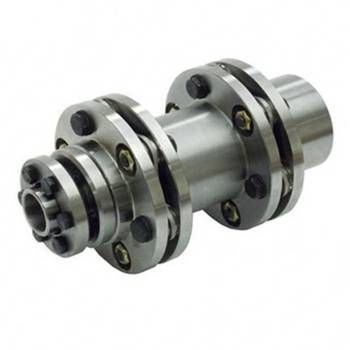
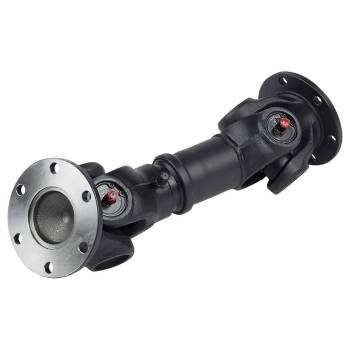
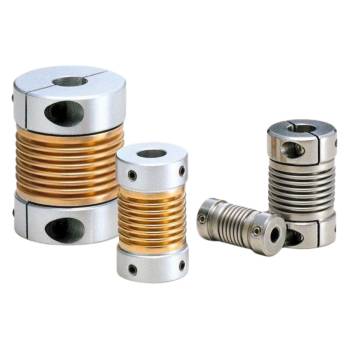
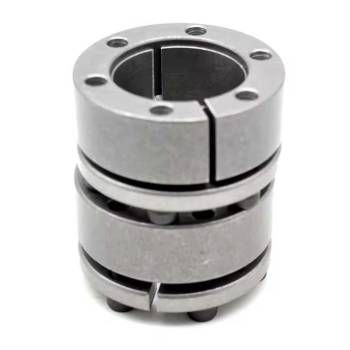
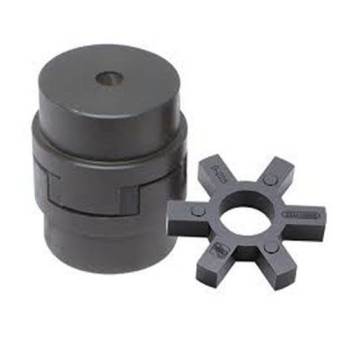
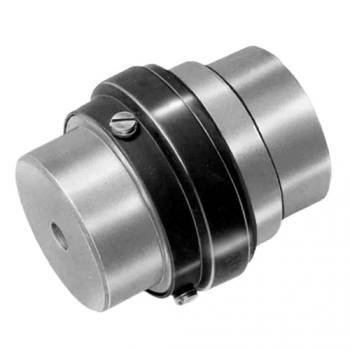
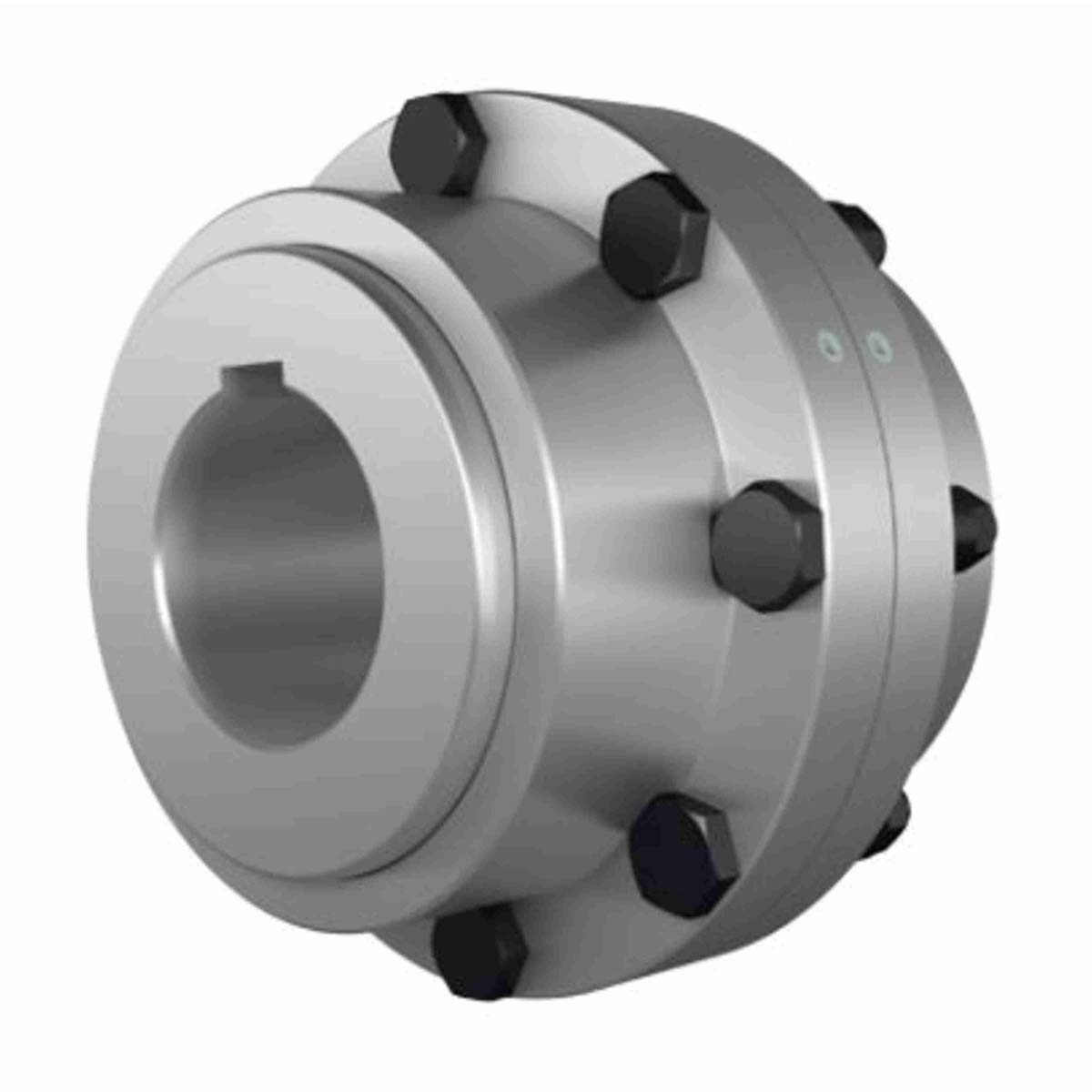
Anant Engineering manufactures HRC couplings designed to manage high torque transmission, vibration damping, and controlled misalignment in rotating machinery operating across Nepal. These couplings are engineered for industrial environments where load fluctuations, shock starting conditions, and continuous-duty cycles place significant stress on drivetrain components.
As a dedicated HRC Coupling Manufacturer in Nepal, the focus remains on producing mechanically stable couplings that transmit torque through elastomer compression rather than rigid metal contact. This design approach protects motors, gearboxes, and driven equipment by limiting peak torsional loads during transient operating conditions.
Torque Management Under Shock Loads and Variable Duty Cycles
HRC couplings are commonly selected for installations across Nepal where machines experience frequent start–stop sequences, load surges, or intermittent jamming. The elastomer element deforms elastically under sudden torque spikes, acting as a mechanical buffer that stabilises the drive system.
Key operating behaviours include:
- Absorption of torsional shock during motor starts and load changes
- Damping of vibration generated by cyclic or uneven loads
- Reduction of resonance transmission into shafts and bearings
- Accommodation of limited angular and parallel misalignment
- Stable torque transfer under continuous and intermittent duty
This controlled flexibility improves drivetrain reliability in heavy industrial applications throughout Nepal.
HRC Coupling Supplier in Nepal for Industrial Power Transmission
As a reliable HRC Coupling Supplier in Nepal, Anant Engineering supports both OEM machinery builders and maintenance teams requiring dependable coupling solutions. These couplings are widely used where consistent torque transmission must be maintained without imposing excessive alignment precision during installation.
Typical Application Areas
- Belt and chain conveyor systems
- Crushers, mixers, and grinding equipment
- Large fans, blowers, and centrifugal pumps
- Material handling and bulk processing machinery
- Cement, steel, and power-sector auxiliary drives
In such operating conditions across Nepal, coupling performance directly influences uptime and maintenance intervals.
Construction, Materials, and Fitment Options
HRC coupling hubs are manufactured from high-strength cast iron or steel, selected for their load-bearing capacity and fatigue resistance in Nepal. The flexible element is moulded from rubber compounds engineered to maintain elasticity under compressive loading while resisting cracking and permanent deformation.
Available engineering configurations include:
- Pilot bore, finished bore, and taper-lock hub designs
- Keyway interfaces for secure shaft engagement
- Split hub options for ease of installation and removal
- Elastomer elements designed for in-situ replacement
Precision machining ensures hub concentricity and bore alignment, which directly impacts vibration levels and element service life in Nepal.
HRC Coupling Exporters from Nepal – Consistent Performance Across Markets
As established HRC Coupling Exporters from Nepal, Anant Engineering manufactures couplings with a strong emphasis on dimensional repeatability and interchangeability. Export supply includes verification of bore tolerances, element compression fit, and overall assembly accuracy.
Export-focused quality controls typically include:
- Axial runout and concentricity checks
- Batch-level dimensional inspection
- Elastomer hardness and compression testing
- Surface protection suitable for storage and overseas transport
Technical Insight – Role of Elastomer Damping in Equipment Longevity
In industrial installations across Nepal, unmitigated torsional vibration often leads to premature bearing wear, shaft fatigue, and seal damage. An appropriately selected HRC coupling moderates torque peaks and smooths power transmission, significantly reducing cyclic stress on connected components and extending overall equipment service life.
Why Choose Anant Engineering for HRC Couplings?
- Heavy-duty coupling designs validated in industrial duty cycles
- Stable elastomer performance for vibration and shock damping
- Consistent manufacturing quality for OEM and export requirements
- Engineering support for torque and service factor selection
FAQs – HRC Couplings
How do HRC couplings handle shock loads?
The elastomer element compresses under sudden torque spikes, reducing peak load transmission to shafts and bearings.
Can HRC couplings accommodate shaft misalignment?
Yes, they allow limited angular and parallel misalignment, helping reduce alignment-related stresses.
Is it possible to replace the elastomer element without removing hubs?
Yes, most HRC designs allow element replacement while hubs remain mounted.
What factors influence HRC coupling service life?
Load variability, misalignment severity, operating temperature, and exposure to oils or chemicals are key factors.

 Industrial Couplings
 Industrial Gears
 Sprocket
 Industrial Roller Chain
 Pulleys
 Plummer Block
 Gearbox